

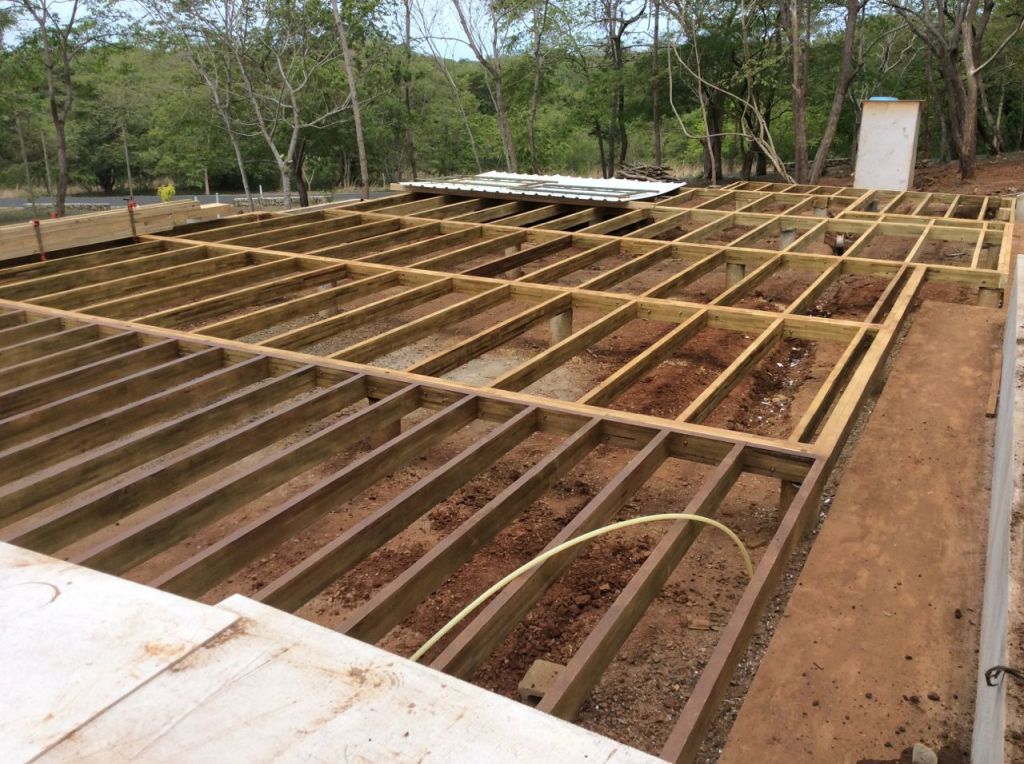
This document is the diary of our home build, from the builder’s own website which can be visited using the link here. Otherwise, feel free to download and read at your leisure.
This Diary of our Home Build is a really useful document. I encourage everyone to take notes and photos of the stages of your build. It has come in handy when we think of doing further construction, or building plant beds with excavation- we were able to avoid digging up pipes or electric wires!! It is a super valuable document to have, and we are grateful to the builder of our home to have invested his time and effort into creating this.
You will discover the ins and outs of our build from the builder’s perpective. There are always several sides to the story, and I ask you keep this in mind to be more fair to all parties involved. I hesitated to include the document in it’s entirety due to some of the drama documented within, but I am ok with full disclosure. I trust readers will take from it what is useful to them in their quest to build in Costa Rica, and leave the frilly fiction in it’s place.
The process of our actual build could have been much less stressful, and we could have done several things differently. However, I am one who believes that we learn from our experiences and that everything is exactly as it should be. No regrets, just the knowledge of how we may want to approach projects in the future.
Having said that, I am writing this blog to help others negotiate their way through building in Costa Rica. Below is a list detailing what we feel we did right with this building process versus what we could have done better.
The positives:
- Structural Insulated Panels. We love the SIP construction. The insulation of our home is exceptional due to these MgO panels. Having lived in brick, concrete block, and pre-fab concrete walls, these SIPs win, hands-down. Ours were imported from China (I know, ouch on the carbon footprint for transport). They assemble super fast during construction, there is almost NO waste, it tends to be a much cleaner job site and SIPs are incredibly strong! The supply company we used is an Australian based company then found at MgoBoard.com.au now rebranded as https://rescombp.com/. As of today, I am noticing that our former builder, Trevor, is no longer listed as a distributor here in Costa Rica so I would contact the company directly. See my post on importation of goods to Costa Rica for more info and ideas on getting this here.
- Wood. The glue-laminated (glu-lam) teak beams, our tongue and groove teak, our wooden deck screened porch, everything in wood has held up amazing. I am writing this after almost 5 years and we love the wood in our home. The wood was ordered from Aserradero San Cristobal, in southern Costa Rica. Their quality is second to none. Finding dry dry dry wood in a place that is very humid 6 months of the year is really tough. These guys have a legitimate wood business with a huge drying kiln as well as specialized machinery for professional glu-lam beams.
- Design. We took inspiration from the floorplan of the 2013 ‘Small House of the Year’ by Nir Pearlson. We contracted our local Costa Rican archictect, Melina D’Alolio, who is the wife of the developer too, to help us customize it for our tropical climate by adding super high ceilings, lots of cross-ventilation, huge overhangs (what became our screened porch) and a few other details. Melina specializes in modern tropical design, and her experience in designing for the elements surrounding us was indispensable. Once we had the base design, we then consulted with our friend and incredibly talented Interior Designer + Architect Andrina Fonseca of d-Aqui (who worked for Steve Jobs in California, before returning to CR to live). Andrina added so much value to our little home, by suggesting a few small changes to create something special. The bath tub on a deck outside our bedroom door and a loft space above the kitchen, just a couple of such small but mightily impactful accents.
The Negatives:
- Being the first to build in a new development (aside from the developer themself). The level of scrutiny and lack of flexibility on behalf of the developer, to be honest, was a huge point of stress. We were the second ‘outsider’ to build, being one of the first long-term expat residents in our community to put our faith and investment money into the development. We lived in the same development in a rental home for 18 months (the first one built by someone other than the developer) while a spec home was being built by the developer across the street. The number of construction rules flaunted during that time could fill the pages of a bible. When it came to our turn to build, we figured the rules would be guidelines, in a similar way to what we witnessed during the spec build. We were very wrong. The stress level was through the roof. The crew enjoyed playing casual baseball in their lunch break, on a huge empty lot next door. That was quickly terminated, a buzz-kill to the hard working team of guys. The days when we had deliveries of construction materials coming from more than 5 hours drive away, or trying to coordinate release of imports from customs meant sometimes it just wasn’t possible to have everything unloaded by the 6pm curfew, which caused a big problem with the developer. We didn’t think it would be a problem, due to witnessing the developer’s spec house with full-on heavy machinery, drills and jackhammers going past 7pm on Sunday nights. Sundays are strictly no-build days. The bull-headedness of both the builder and the developer were a bad combination too. Yes, the builder was a stubborn ass at times but we had chosen him for the job he promised he could do. We wanted a SIP house and all it promised. We were already taking a risk according to the buildng fundamentalists who insist that you must construct in concrete in Costa Rica because that is how it is done. In hindsight, we should have seen the writing on the wall in terms of the interpersonal relationships and the concurrent challenges but by that time, we had already put down $13K of our hard-earned money into the order of the panels and we had too much fear present to change course. We are still happy we chose SIPs.
- Building with a “novel” product. We were definitely under the impression that working with SIPs was new and untested in Costa Rica, therefore, the options of alternative builders at the time were limited. I think this was partly true at the time, but now in 2020, I know of at least 2 builders fully capable of doing a great job with SIP construction. One is Joe Garcia and the other is Jay Dover. More on these builders in another page under recommendations. This ‘lack of perceived options’ contributed to the stress level at times when we felt stuck for solutions when the developer and builder were blowing up.
For more questions, send me an email.


 To Build in Costa Rica
Leave a comment